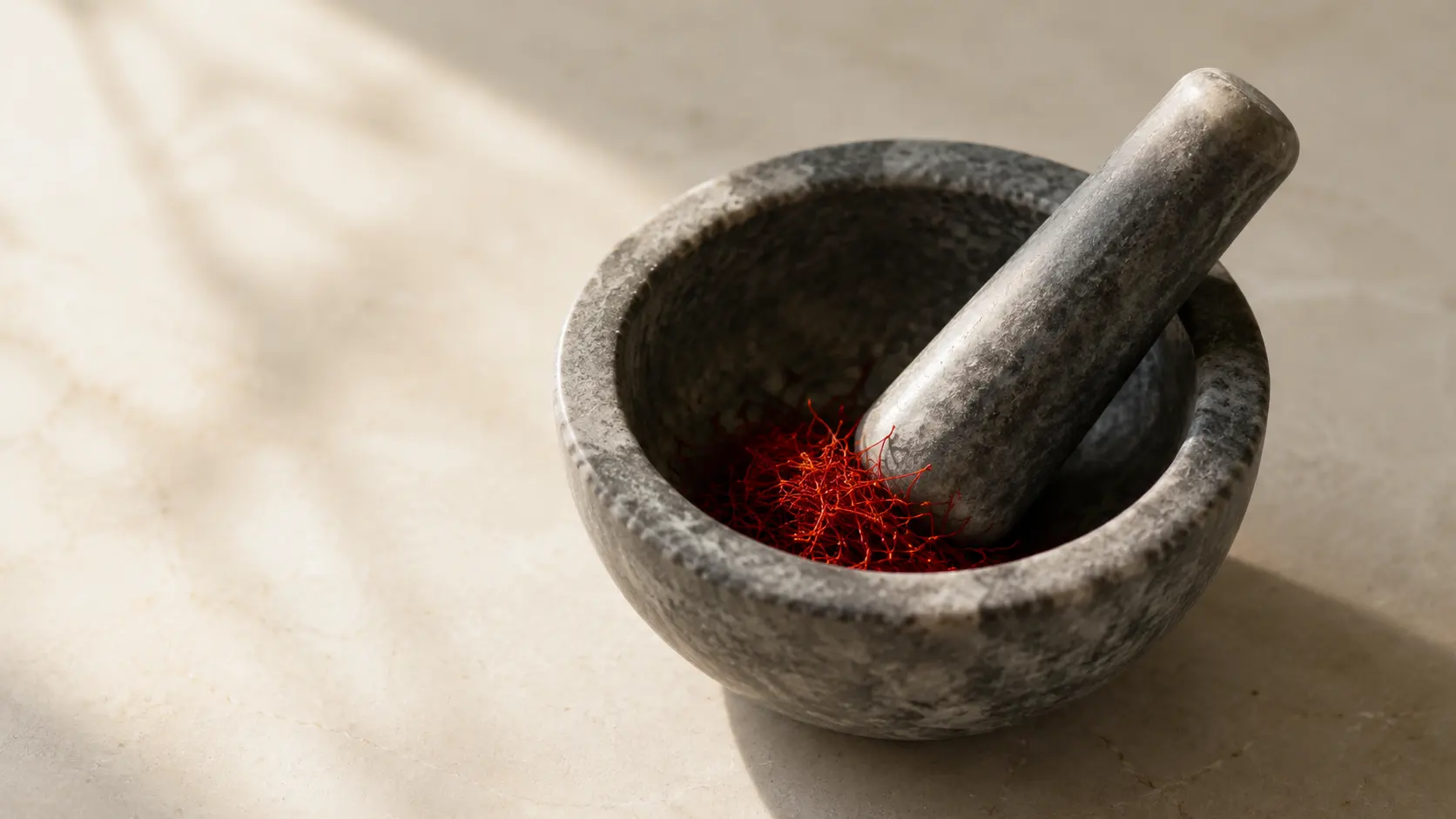
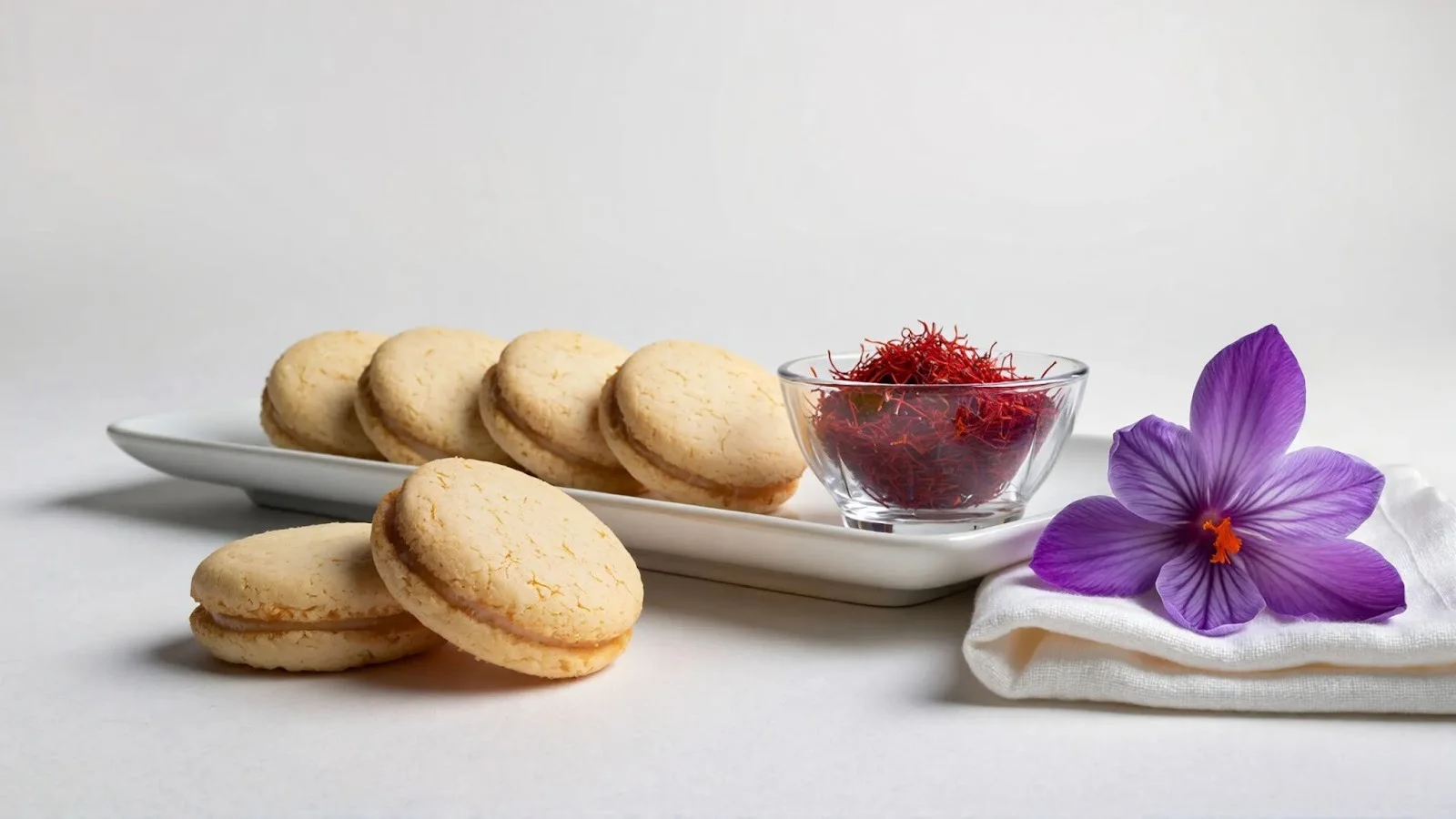
Saffron tea is a vibrant, aromatic drink made with steeped saffron threads. In this article, we’ll explore saffron tea benefits, how to make it, and when to enjoy it. If you’re preparing tea from threads, learning How to Bloom Saffron can help you release their color and aroma before adding them to your cup.

Saffron tea is an herbal infusion made by steeping saffron threads in hot water. Saffron, derived from the Crocus sativus flower, contains potent compounds like crocin, safranal, and picrocrocin, which are responsible for its distinct color, flavor, and traditional wellness uses. This tea is especially popular in Persian, Indian, and Mediterranean cultures, where it is enjoyed both on its own and alongside ingredients such as saffron honey for a naturally sweet and aromatic variation.
How saffron is prepared plays a key role in the final result. Unlike black or green tea, saffron requires a gentler approach—too much heat can affect its delicate compounds, while too little may not extract its color, aroma, and flavor effectively. This balance between tradition and technique is what makes a properly prepared cup of saffron tea so distinctive.
Tea is only one way to incorporate saffron into your routine. If you want to try it in other refreshing combinations, explore these saffron drinks for more ideas and recipes.
The benefits of drinking saffron tea span physical, mental, and emotional wellness. Let’s break down the most notable ones:
| Saffron Tea Benefits |
|---|
| Saffron Tea Benefits for Weight Loss |
| Drinking Saffron Tea helps you sleep better |
| Saffron Tea for Depression |
| Saffron Tea for Skin |

Saffron tea may aid in weight management by naturally suppressing appetite and reducing cravings. Research has shown that saffron can increase serotonin levels in the brain, which helps curb emotional eating. Additionally, the antioxidant activity in saffron improves metabolism and supports fat oxidation.
Key takeaway: Drinking saffron tea regularly may help reduce snacking and support sustainable weight loss.
Saffron tea works for sustainable weight loss mainly because it helps your body lose fat gently. Unlike dramatic diet plans, it allows you to follow regular eating habits and lowers the urge to overeat which often makes it hard to keep weight off.
It is especially helpful that saffron tea boosts sleep quality, since many people these days are suffering from sleep deprivation. Saffron contains safranal, a natural sedative that doesn't cause morning drowsiness.
People who drink saffron tea after dinner, about thirty to sixty minutes before bedtime, seem to fall asleep more easily and sleep better overall. By acting on the GABA receptors in the brain, tea helps relax and make you sleepy. This method helps set up healthy circadian rhythms while still allowing all types of sleep to occur as usual.
The other major thing that saffron tends to ease and reduce the impacts is insomnia, it also lowers inflammation that can cause physical discomfort, and stabilizes mood fluctuations that often interfere with restful sleep. This comprehensive approach makes it particularly effective for people whose sleep issues stem from multiple causes.
Researchers have studied saffron for its potential effects on mood, but findings from saffron extract studies should not be assumed to apply to saffron tea. The amount of saffron in a cup can vary, and tea should not replace prescribed treatment for depression.
Some research has explored how saffron compounds may affect pathways involved in mood. If you’d like to read more, see our article on saffron mood support.
Saffron has also been studied for attention-related symptoms. Our guide to saffron for adhd covers that separate area of research; those findings should not be taken as evidence that saffron tea treats ADHD.
Preparing tea can be a pleasant daily ritual, but anyone experiencing symptoms of depression or seasonal affective disorder should seek advice from a qualified healthcare professional.

By helping from inside your body, saffron tea fixes the reasons behind skin aging and damage. The antioxidants found in saffron, mainly crocin and crocetin, intercept free radicals and help prevent early aging of the body's cells. Taking vitamin E daily helps your skin stay stretchy and loose and reduces signs of aging.
Because of its anti-inflammatory action, saffron tea helps maintain healthy, glowing skin. Long-lasting inflammation plays a role in acne, eczema, psoriasis and can speed up the body's aging. Because saffron tea lowers inflammation, it helps prepare your body for clear and healthy skin.
The tea helps to regulate stress hormones which also helps keep your skin healthy. High cortisol levels result in more collagen damage and problems with the skin's barrier. The reduction of stress by saffron tea supports the body's work to repair and restore skin.
So, what is saffron tea good for beyond the benefits listed above? Here’s a quick list of additional advantages:
In short, saffron tea is an all-in-one health tonic with wide-ranging applications.
To maximize the benefits of drinking saffron tea, timing matters:
For most people, one to two cups per day is optimal—ideally between meals for best absorption.
Since saffron is the most expensive spice globally, the price of saffron tea varies based on quality and origin. High-grade Persian or Afghan saffron can cost between $5 to $10 per gram, with premium saffron tea bags priced around $1.50–$3 per cup.
Keep in mind that a little goes a long way—just a few strands are enough to brew a potent and aromatic tea.
Making saffron tea at home is simple and cost-effective. Here’s a quick recipe:
Pro tip: Pre-soak saffron in warm water for a few hours before brewing to intensify flavor and color.
Saffron tea is an aromatic way to enjoy this distinctive spice. If you’re making it with whole threads, learning how to crush saffron without mortar and pestle can help you prepare them before steeping. Saffron tea can be a pleasant addition to your daily routine, though research on saffron extracts does not necessarily establish the same benefits for tea.
Saffron tea offers a variety of health benefits, including supporting weight loss by boosting metabolism and reducing stress-induced weight gain, improving sleep quality due to its natural sedative properties, acting as a natural antidepressant by influencing neurotransmitters like serotonin, and enhancing skin health through its antioxidant and anti-inflammatory actions.
Saffron tea supports weight loss by boosting your insulin and glucose systems, which helps your body better handle carbohydrates and store less fat. It can also help reduce cortisol levels, preventing stress from causing weight gain, and works by gently helping your body lose fat and lowering the urge to overeat.
Yes, saffron tea can significantly improve sleep quality. It contains safranal, a natural sedative that promotes easier sleep without causing morning drowsiness. It works on GABA receptors in the brain to relax and induce sleepiness, and also helps ease insomnia, lower inflammation, and stabilize mood fluctuations that interfere with restful sleep.
The best time to drink saffron tea depends on the desired benefit. For sleep improvement, consume it 30-60 minutes before bedtime. To help with appetite reduction and glucose metabolism, drink it 20-30 minutes before meals. For general wellness and stress reduction, many find an afternoon cup beneficial. Consistency in daily consumption is key for optimal results.

Zoe Grace Carter is a passionate food scientist with a remarkable academic background, holding a PhD from the prestigious Cornell University. At the youthful age of 30, she brings a wealth of knowledge and expertise to the world of culinary exploration. Zoe is on a mission to unravel the mysteries of saffron and share her insights with the world through her captivating writings on Goldensaffron.com.


 Featured Product
Premium Grade I · Lab Tested · Secure Checkout
You have no items in your shopping cart.